
Air duct cleaning is the process of removing dust, debris, and contaminants from your HVAC system’s ductwork, and yes, it works for specific situations, though not every home needs it. The catch? It’s most effective when you have visible mold growth, vermin infestation, or excessive dust buildup inside your ducts, not as routine maintenance for every homeowner every few years.
If you’re skeptical about whether air duct cleaning delivers real results, you’re asking the right question. The service industry is flooded with conflicting claims, from companies promising miracle health benefits to experts dismissing it as unnecessary. The truth sits somewhere in the middle, and understanding when it actually makes a difference can save you hundreds of dollars and help you breathe easier, literally.
This article cuts through the marketing noise to show you what air duct cleaning actually accomplishes, how the process works, and most importantly, whether your home falls into the category that genuinely benefits from it. We’ll look at the evidence from independent studies, walk through the specific conditions that make cleaning worthwhile, and give you a practical framework to decide if it’s the right investment for your Montreal home. You’ll learn what happens during a professional cleaning, what results you can realistically expect, and how to spot the warning signs that your ducts need attention now versus companies just trying to make a sale.
What Is Air Duct Cleaning?
Air duct cleaning is the process of removing dust, debris, and contaminants from the heating, ventilation, and air conditioning (HVAC) system that circulates air throughout your home or business. Professional cleaners use specialized equipment to access and clean the network of ducts, vents, and registers that make up your ventilation system.
The service covers several key components of your HVAC system:
- HVAC System
- The heating, ventilation, and air conditioning system that controls temperature and air quality throughout your building.
- Supply Ducts
- The network of passages that deliver conditioned air from your HVAC unit to different rooms in your home or office.
- Return Ducts
- The ducts that pull air back from your rooms to the HVAC system for reconditioning and recirculation.
- Registers
- The visible metal grates covering duct openings in walls, floors, or ceilings where air enters and exits rooms.
- Ductwork
- The entire network of metal, fiberglass, or flexible tubes that form pathways for air movement through your building.
- Contaminants
- Unwanted materials that accumulate in ducts, including dust, pollen, pet dander, mold spores, bacteria, and debris.
During a professional cleaning, technicians remove accumulated dust and debris that has settled on duct surfaces over months or years. They also extract larger items like construction materials, pest droppings, or objects that have fallen into vents. If mold is present, professionals treat affected areas with appropriate solutions. The process clears out anything that shouldn’t be circulating through the air you breathe.
Modern air duct cleaning goes beyond simple vacuuming. Professionals inspect your entire system, identify problem areas, and use powerful equipment to dislodge and capture contaminants without releasing them back into your indoor environment.

How Air Duct Cleaning Works
Professional air duct cleaning follows a systematic process designed to remove accumulated debris and contaminants without damaging your HVAC system. Understanding what happens during a service helps you recognize quality work and set realistic expectations.
The process starts with a thorough inspection. Technicians examine accessible ductwork, check registers and grilles, and often use cameras to assess the interior condition of ducts. This inspection identifies problem areas, determines the extent of contamination, and helps create a cleaning plan tailored to your system’s needs. At Gem Cleaning, we document the pre-cleaning condition so you can see the results afterward.
Once the inspection is complete, technicians seal off supply registers throughout your home or building. This prevents debris from being pushed into living spaces during cleaning. They then cut access holes in the main duct trunk lines, strategically placed openings that will be properly sealed after the job.
The actual cleaning uses negative pressure systems, which are essentially powerful vacuums connected to your ductwork. These create suction that pulls loosened debris toward collection units fitted with HEPA filters. While the vacuum runs, technicians insert rotating brushes and compressed air tools through the access points. These agitation tools dislodge stuck-on dust, pet hair, and other buildup from duct surfaces.
Modern equipment has evolved considerably. In 2026, professional services use variable-speed negative air machines that adjust suction based on duct size, minimizing strain on older systems. Brushes now feature softer bristles that clean effectively without scratching metal ducts or damaging flexible ductwork.
Gem Cleaning has adopted eco-friendly practices that set current standards. We use biodegradable sanitizing agents only when necessary, typically after mold remediation or pest infestations, and avoid harsh chemicals that linger in your air. Our equipment includes multi-stage HEPA filtration that captures particles down to 0.3 microns, preventing contamination from spreading during the cleaning process.
After cleaning the ducts themselves, technicians clean the blower motor, evaporator coil, and drip pans if accessible. These components often harbor the same contaminants as ductwork. Finally, they seal access holes with metal patches, reinstall registers, and perform a final inspection to verify all debris has been removed and your system operates properly.
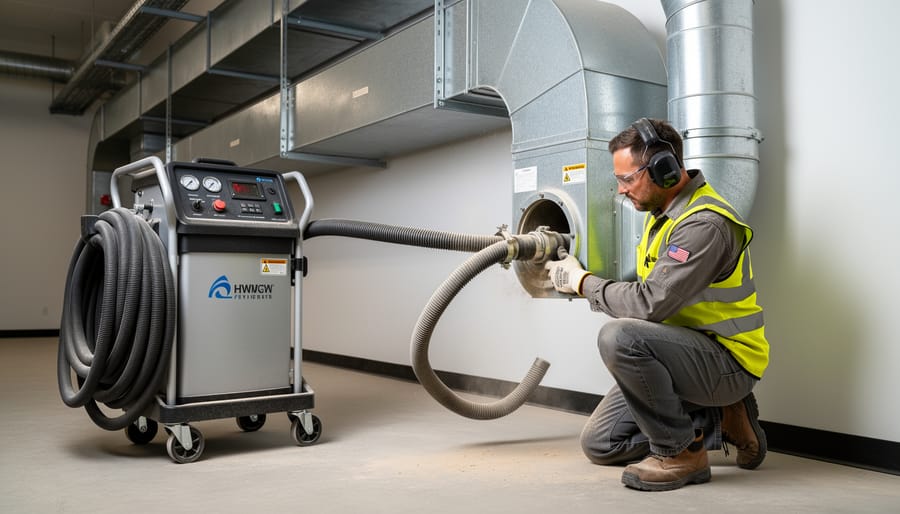
Types of Air Duct Contaminants and Cleaning Methods
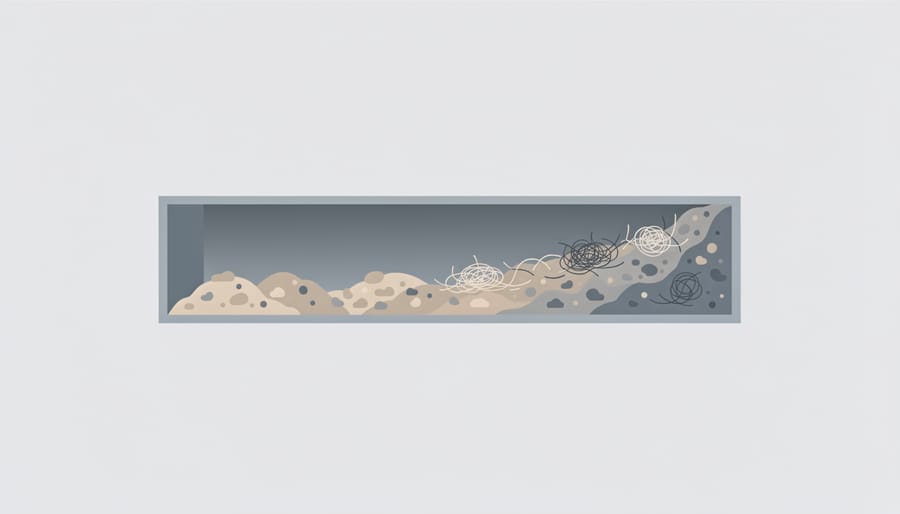
Common Contaminants
Everyday air duct contaminants are surprisingly varied, even in well-maintained buildings. Household dust tops the list, a mix of dead skin cells, fabric fibers, and tracked-in dirt that settles in ducts over months and years. Pet owners deal with additional layers of dander and fur that circulate through the system with every heating or cooling cycle.
Pollen becomes a major concern during Montreal’s spring and summer months, entering through open windows and clinging to duct surfaces where it concentrates over time. Cooking residue, particularly grease particles from kitchens, can coat ductwork and attract more debris.
In commercial properties, we regularly find paper dust from offices, fabric lint from retail spaces, and general foot traffic debris that accumulates faster than in homes. These everyday contaminants rarely cause immediate problems, but they build up gradually. When the layer becomes thick enough to restrict airflow or release visible dust clouds from vents, that’s when most people notice. A thin coating is normal; heavy buildup that releases visible particles when you tap a vent register signals it’s time for professional attention.
Serious Contamination Issues
Mold growth in ductwork demands immediate professional attention because it spreads spores throughout your home with every heating or cooling cycle. You’ll often notice musty odors or visible dark patches around vents before seeing the full extent inside the ducts. Professional cleaning for mold involves containment procedures, antimicrobial treatments, and addressing the moisture source that allowed growth in the first place.
Pest infestations leave behind droppings, nesting materials, and dead insects or rodents that contaminate your air supply. Mice and cockroaches are common culprits in older buildings. These situations require thorough removal of all debris, disinfection of affected areas, and sealing entry points to prevent recurrence.
Post-construction debris creates surprisingly heavy contamination. Drywall dust, wood shavings, and insulation fibers settle deep in ductwork during renovations. Standard cleaning methods struggle with this dense material; contractors use specialized equipment and multiple passes to extract construction residue completely. This scenario represents one of the clearest cases where professional duct cleaning provides measurable, visible results.
The Evidence: Does Air Duct Cleaning Actually Work?
When Air Duct Cleaning Makes a Real Difference
Air duct cleaning delivers tangible results in specific situations where contamination is significant and verifiable. After major renovations or remodeling, construction debris, drywall dust, and sawdust circulate through your HVAC system for months if ducts aren’t cleaned. Studies show post-construction cleaning removes measurable particulate matter that would otherwise recirculate each time your system runs.
Visible mold growth inside ducts or around vents represents a clear-cut case for professional cleaning. Mold spores become airborne every time your system operates, and surface cleaning won’t address growth inside the ductwork. The EPA specifically recommends duct cleaning when substantial mold growth is present.
Pest infestations create another undeniable need. Rodent droppings, insect remains, and nesting materials contaminate air quality and can trigger allergic reactions. Cleaning removes these biological contaminants that standard filtration can’t capture.
Properties with documented neglect, where ducts haven’t been inspected or cleaned in over a decade, often show dramatic improvement. One industry study found that severely neglected systems released visible dust clouds from vents when the system cycled on.
If you’re experiencing unexplained respiratory symptoms that improve when you leave your home, and you haven’t addressed your ducts in years, professional inspection may identify hidden contamination. Gem Cleaning’s technicians can assess whether your specific situation warrants cleaning or if your ducts are actually fine.
When You Probably Don’t Need It
If your ducts look reasonably clean during an inspection and you’re not experiencing any obvious problems, professional cleaning probably won’t deliver noticeable benefits. Many newer homes with well-maintained HVAC systems simply don’t accumulate enough debris to warrant intervention. Regular filter changes and proper system maintenance often provide all the indoor air quality support you need.
The EPA recommends duct cleaning only as needed rather than on a fixed schedule. If you’re not seeing visible mold, smelling musty odors, or dealing with excessive dust, routine cleaning every few years is unnecessary. Some companies push aggressive cleaning schedules to generate business, but this approach wastes money without improving your home environment.
You also don’t need cleaning if you’ve recently had ducts serviced and maintained proper filtration since then. A home with no pets, no smokers, no recent renovations, and occupants without severe allergies typically has minimal buildup. In these situations, your money is better spent on high-quality air filters, regular HVAC maintenance, and addressing actual moisture or ventilation issues.
At Gem Cleaning, we’ll honestly assess your ducts and tell you when cleaning isn’t necessary. Our reputation since 2009 is built on recommending services that genuinely help, not selling what you don’t need.
Real Benefits You Can Expect
When air duct cleaning is genuinely warranted, you can expect tangible improvements in your indoor environment. The key word here is “realistic”, professional cleaning won’t magically cure all health issues or slash your energy bills in half, but it will deliver noticeable changes in specific areas.
The most immediate benefit you’ll likely notice is improved airflow throughout your home or business. When ducts are clogged with debris, your HVAC system works harder to push air through the obstruction. After a thorough cleaning, most people report that air flows more freely from vents, and rooms that were previously stuffy feel more comfortable. This improved circulation can help your system maintain consistent temperatures across all spaces.
For individuals with allergies, asthma, or respiratory sensitivities, reduced airborne irritants can make a real difference. While air duct cleaning alone won’t eliminate all allergens in your property, removing accumulated dust, pollen, and pet dander from the ductwork means less of these particles circulating every time your system runs. Several Gem Cleaning clients in Montreal have reported fewer allergy symptoms after addressing heavily contaminated ducts, particularly in older buildings where years of buildup had gone unchecked.
- Elimination of musty or stale odors that were coming from the ducts
- Removal of visible dust and debris around vents and registers
- Modest improvements in HVAC efficiency when ducts were significantly blocked
- Peace of mind knowing contaminants like mold or pest droppings are gone
- Extended lifespan of your HVAC system due to reduced strain
The efficiency gains are typically modest unless your ducts were severely obstructed. Don’t expect dramatic drops in your energy bill from cleaning alone, but when combined with proper maintenance and filter changes, you may see a 5-10% improvement in system performance. The real value comes from preventing long-term damage to your HVAC components and maintaining the air quality improvements over time.

How to Know If You Actually Need Air Duct Cleaning
Not everyone needs air duct cleaning, and a good service provider will tell you that upfront. Here are the clear signs that suggest your ducts would actually benefit from professional attention.
Check for visible mold growth inside your ducts or on vent covers. If you see fuzzy patches or discoloration when you remove a register and shine a flashlight into the duct, that’s a definite indicator. Mold in your ventilation system can spread spores throughout your home every time the HVAC runs.
Notice a persistent musty or stale smell when your heating or cooling kicks on? Odors that don’t go away after changing filters often point to accumulated debris, moisture problems, or even pest activity inside the ductwork. These smells are your system telling you something isn’t right.
Dust settles around your vents within a day or two of cleaning? If you’re constantly wiping down surfaces near registers or see dust puffing out when the system starts, your ducts are likely distributing debris instead of clean air. You might also notice dust streaks on walls near supply vents.
You’ve recently completed renovations or had contractors working in your home. Construction creates enormous amounts of fine dust that infiltrates ductwork even when you try to seal things off. Drywall dust, sawdust, and other particles can clog your system and degrade air quality for months afterward.
Found evidence of rodents or insects in your home? Pests often use ductwork as highways through your property, leaving droppings, nesting materials, and shed skin behind. This contamination absolutely requires professional removal.
Family members experiencing unexplained respiratory symptoms or worsening allergies at home? While ducts aren’t always the culprit, excessive dust and allergens in your ventilation system can trigger reactions in sensitive individuals.
Living in an older building where ducts have never been cleaned? After ten to fifteen years of use, especially in dusty environments, accumulated debris can affect airflow and air quality enough to warrant professional cleaning.
What to Look for in a Professional Air Duct Cleaning Service
Choosing the right air duct cleaning company makes the difference between a thorough, beneficial service and a waste of money, or worse, damage to your HVAC system. Unfortunately, the industry has its share of low-quality operators and outright scams, so knowing what to look for protects both your investment and your home.
Start by verifying the company’s track record and credentials. Gem Cleaning has been serving Montreal since 2009, giving us deep experience with the specific challenges local properties face, from older building systems to harsh winter conditions that affect indoor air quality. Longevity matters because it demonstrates both competence and accountability, companies that cut corners don’t last nearly two decades.
Equipment quality is non-negotiable. A legitimate service uses truck-mounted or portable HEPA-filtered vacuum systems that create negative pressure throughout your ductwork, preventing contaminants from escaping into your living space during cleaning. Gem Cleaning’s equipment meets these standards, and we can explain our process before we start work. Be wary of companies that can’t describe their equipment or methodology clearly.
When evaluating any air duct cleaning service, look for these qualifications:
- Experience of at least five years with verifiable local references
- Proper licensing and liability insurance to protect your property
- HEPA-filtered equipment specifically designed for duct cleaning
- Transparent, written estimates with no hidden fees or pressure tactics
- Eco-friendly cleaning products that won’t leave chemical residues
- Willingness to show credentials and explain their process in detail
- Commitment to post-service verification and customer satisfaction
Gem Cleaning’s commitment to eco-friendly products sets us apart in Montreal’s cleaning industry. We use solutions that are safe for your family, pets, and the environment while still effectively removing contaminants. Our transparent pricing means you know exactly what you’re paying for upfront, with no surprise charges after the work is done. If a company pressures you with scare tactics about your health or offers a deal that seems too good to be true, walk away, quality duct cleaning requires proper equipment, trained technicians, and adequate time to do the job right.
Frequently Asked Questions About Air Duct Cleaning
How often should air ducts be cleaned?
For most homes, air ducts don’t need regular cleaning unless you notice specific problems. The National Air Duct Cleaners Association suggests considering cleaning every 3-5 years, but only if you experience visible mold, pest infestations, excessive dust, or after major renovations.
What does professional air duct cleaning cost in Montreal?
Professional air duct cleaning typically ranges from $300 to $600 for an average-sized home, depending on the system size, accessibility, and contamination level. Commercial properties cost more based on square footage and complexity.
How long does the cleaning process take?
A thorough professional cleaning usually takes 2-4 hours for a residential property. Larger homes or commercial buildings with extensive ductwork may require a full day or multiple visits.
Will air duct cleaning reduce my energy bills?
If your ducts are severely clogged with debris that restricts airflow, cleaning can improve efficiency. However, most homes won’t see significant energy savings since modern HVAC systems compensate for minor obstructions, and the biggest energy losses come from poor insulation or leaky ducts rather than dust buildup.
Can I clean my air ducts myself?
While you can vacuum registers and wipe visible surfaces, effective duct cleaning requires specialized equipment like negative pressure machines and HEPA vacuums that reach deep into the system. DIY attempts usually only clean what you can see, leaving most contaminants untouched.
Does air duct cleaning help with allergies?
If your ducts contain significant allergen sources like mold, pet dander buildup, or dust mites, professional cleaning can reduce airborne irritants. However, regular filter changes, proper ventilation, and addressing moisture problems often provide more consistent allergy relief than one-time duct cleaning.
These questions reflect what homeowners genuinely want to know before investing in air duct cleaning. The cost consideration matters because it’s not a trivial expense, and understanding realistic timeframes helps you plan around the service. Many people hope cleaning will slash their energy bills, but the truth is more nuanced. If your system struggles because debris blocks airflow, you’ll notice improvement. If your ducts are reasonably clear, you won’t see dramatic changes on your utility statement.
The DIY question comes up frequently because homeowners want to save money. You can maintain your system between professional cleanings by replacing filters regularly and vacuuming what you can reach, but the specialized equipment professionals use makes a real difference for thorough cleaning. Think of it like carpet cleaning: you can vacuum weekly, but occasionally you need the heavy-duty extraction equipment to get what your home vacuum can’t touch.
Types or components
A complete air duct cleaning addresses every part of your HVAC system where contaminants accumulate. Understanding these components helps you verify that a service provider is thorough rather than just vacuuming visible vents.
Supply and return air ducts form the main network carrying conditioned air throughout your property. These rectangular or round metal passages collect the most dust and debris over time.
Registers and grilles are the visible vent covers in your rooms. They trap surface dust and restrict airflow when caked with buildup.
Diffusers distribute air into rooms and often harbor dust in their adjustable vanes and fins.
Heating and cooling coils within your HVAC unit accumulate moisture and debris, creating ideal conditions for mold growth if not cleaned.
Drip pans beneath cooling coils collect condensation and can harbor standing water that breeds bacteria.
The blower motor and housing circulate air through the entire system. Dust buildup here reduces efficiency and spreads contaminants.
Air filters and filter housing require attention even during professional cleaning to ensure proper future filtration.
uses
Air duct cleaning serves several practical purposes beyond simply removing visible dust. When performed in the right circumstances, it directly addresses indoor air quality issues by eliminating accumulated allergens, reducing airborne particles that aggravate respiratory conditions, and removing odors trapped in the ductwork. Homeowners recovering from renovations use air duct cleaning to clear construction debris and drywall dust that settles throughout the system. Property managers rely on it to restore neglected buildings where years of accumulation have created excessive dust circulation.
The service proves particularly valuable for businesses maintaining clean environments in medical offices, restaurants, or daycare facilities where air quality standards matter. Landlords preparing rental units after messy tenants often use professional cleaning to eliminate pet dander and smoke residue from the ventilation system. Following water damage or flooding, air duct cleaning helps remove moisture-related contaminants before mold establishes itself. Some HVAC technicians recommend cleaning when replacing major system components to ensure new equipment operates in a clean environment, maximizing efficiency from the start.
So, does air duct cleaning really work? Yes, but with an important caveat: it works when you actually need it, not as routine maintenance every few years.
If you see visible mold, smell persistent musty odors, notice excessive dust around vents, or just completed renovations, professional cleaning delivers measurable benefits. You’ll breathe cleaner air, reduce allergens, and restore proper airflow to your HVAC system. On the other hand, if your ducts show no warning signs and your home feels comfortable, you can probably skip it for now.
At Gem Cleaning, we’ve built our reputation since 2009 on honest recommendations. We won’t push services you don’t need. When a Montreal homeowner or business owner contacts us, we start with a thorough assessment of your specific situation. Sometimes that means scheduling a comprehensive cleaning. Other times, it means reassuring you that your ducts are fine and suggesting you check back in a few years.
If you’re unsure whether your property would benefit from air duct cleaning, reach out to our team. We’ll give you a straightforward answer based on what we actually see, not a sales pitch. That’s the Gem Cleaning difference.